
Upcoming Real Estate Trends and Market Insights


The Shift Towards Suburban Living
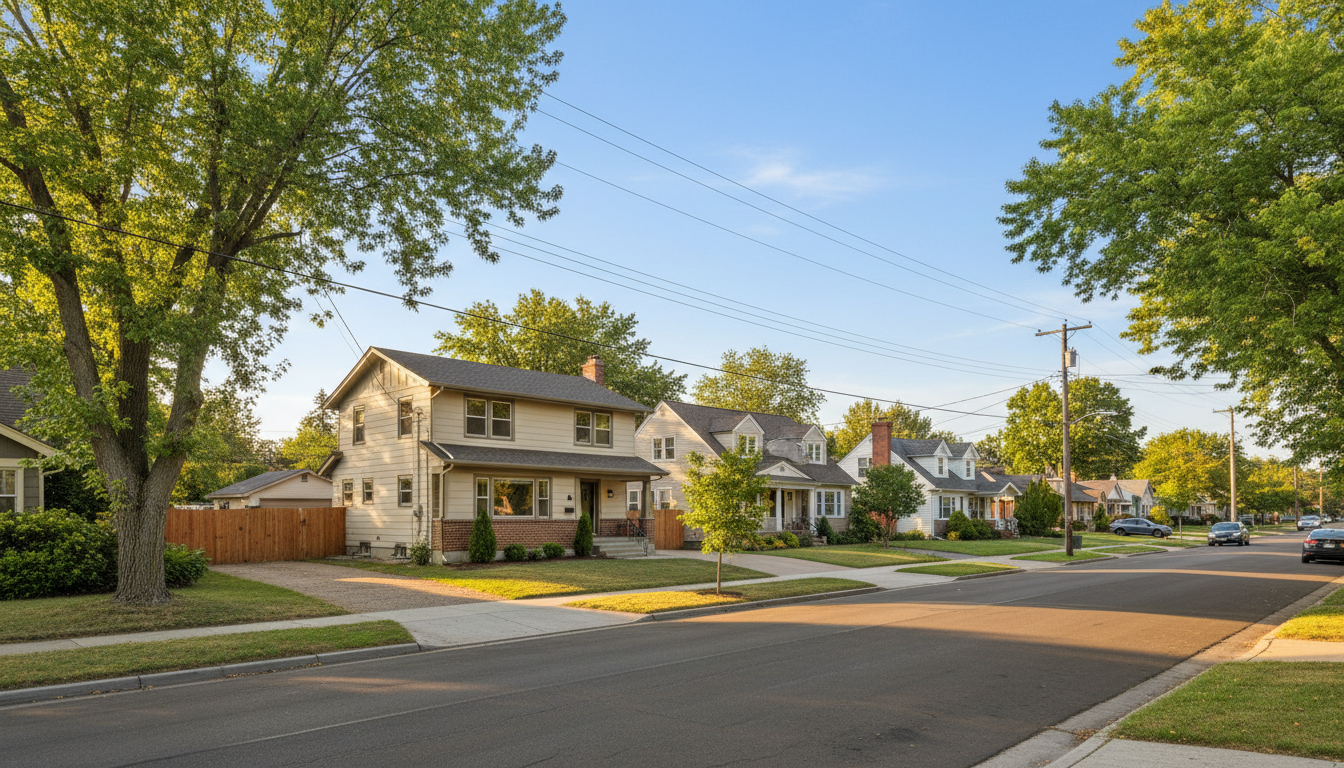
In recent years, there has been a noticeable shift towards suburban living. Many people are opting for larger spaces and greener surroundings, especially in the wake of remote work becoming more commonplace. This trend is influencing real estate markets as demand for suburban homes increases. Buyers are looking for properties that offer the perfect balance of comfort and convenience, with easy access to urban amenities.
Technology Driving Real Estate Transactions
Technology continues to reshape how real estate transactions are conducted. Virtual tours, AI-driven market analysis, and blockchain-based property transactions are becoming more prevalent. These innovations are making the buying and selling process more efficient and transparent. As technology advances, we can expect even more revolutionary changes in the real estate sector.
Real estate platforms are also integrating AI to provide personalized property recommendations based on user preferences and search history. This ensures that potential buyers and renters find properties that best match their needs.
Sustainability and Green Building
Sustainability is becoming a key consideration in real estate. More developers are incorporating eco-friendly features into their projects. From solar panels to energy-efficient appliances, the demand for green buildings is on the rise. This not only helps in reducing carbon footprints but also appeals to environmentally conscious buyers.
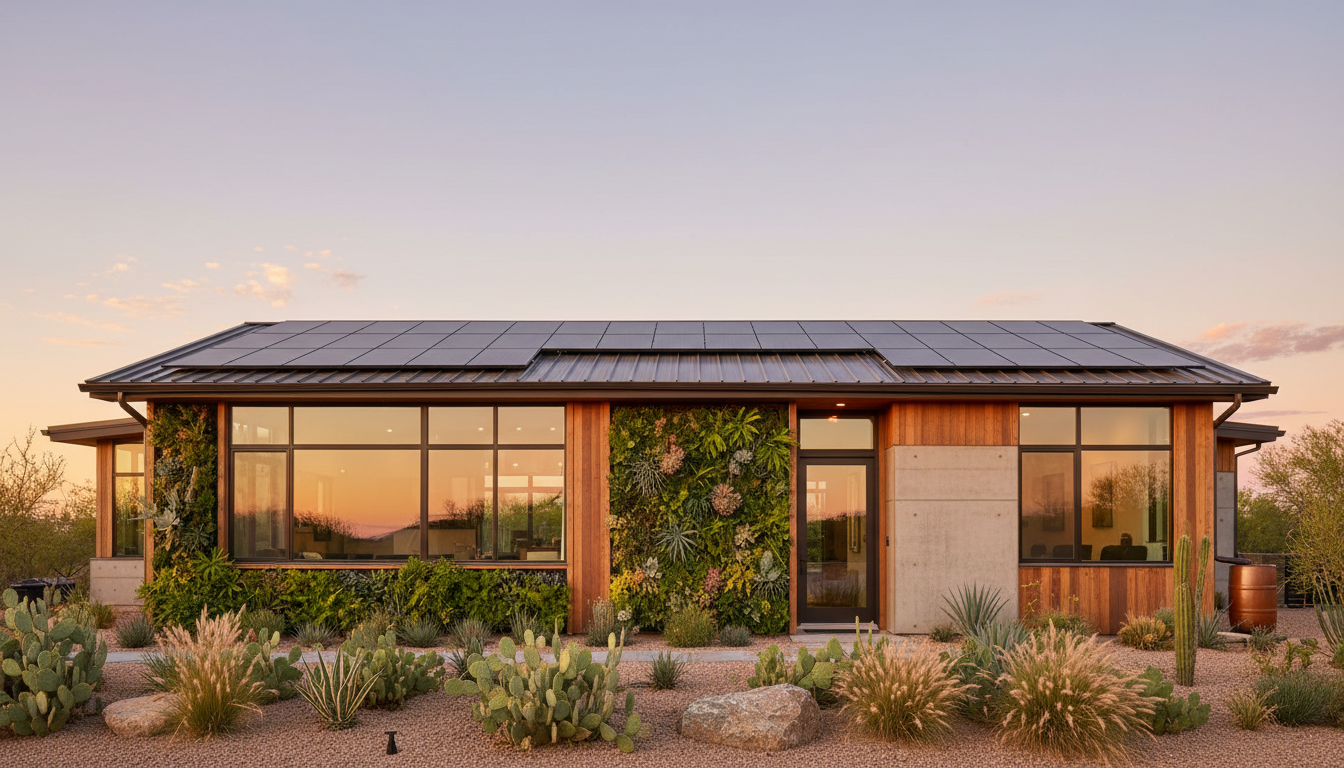
Governments and organizations are also offering incentives for green building initiatives, further driving this trend. As awareness grows, we can expect sustainable building practices to become even more mainstream.
Urbanization and Smart Cities
While suburban living is gaining popularity, urbanization continues to be a powerful force. Smart cities are emerging, utilizing technology to improve infrastructure, transportation, and overall quality of life. These cities aim to create a harmonious environment where people can live and work efficiently.
Elements like smart grids, intelligent traffic systems, and IoT-enabled public services are becoming integral components of urban development. This trend not only enhances the living experience but also increases property values in these areas.

Impact of Economic Factors
Economic factors, such as interest rates and inflation, play a significant role in shaping real estate trends. Currently, low-interest rates are encouraging more people to invest in property. However, potential changes in economic policies could impact buying power and market dynamics.
Investors and buyers need to stay informed about economic indicators to make strategic decisions. Understanding market cycles and preparing for potential shifts can help in navigating the complexities of the real estate landscape.
Conclusion
The real estate market is continuously evolving, influenced by technological advancements, changing consumer preferences, and economic factors. Staying updated with these trends is crucial for anyone involved in the industry, whether you're a buyer, seller, or investor. As we move forward, adaptability and foresight will be key in capitalizing on the emerging opportunities in the real estate sector.